Home / Solar & Battery Systems
ATLIX ELECTRICAL · SOLAR & BATTERY SYSTEMS
Generate your own energy. Plan for the moments you need it.
Atlix Electrical installs and supports solar and battery systems for homes and businesses in Vancouver and the Lower Mainland. Start with your property, electricity use and backup priorities to plan a system that fits.
Red Seal electrician · Fully insured · Free estimates
Solar panels turn available sunlight into electricity.
A battery keeps energy for use at another time.
The right system configuration supplies selected loads during an outage.
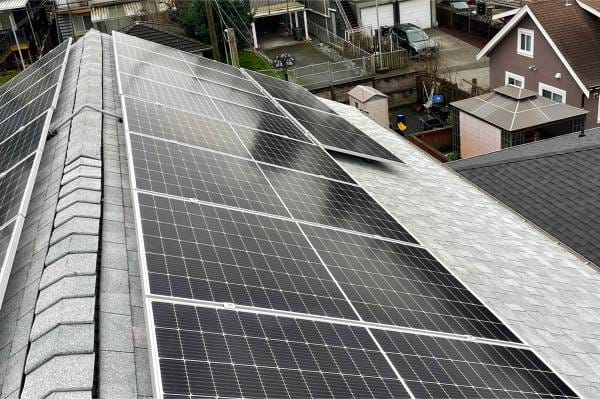
Vancouver’s seasons matter. Ask for monthly production estimates alongside the annual total so winter output and summer generation are both visible.
START WITH YOUR PROPERTY
Consider roof age, usable area, orientation and shading. A roof approaching replacement needs a plan before panels are fitted.
Bring 12 months of electricity usage and explain when you use most power. Daytime business loads and evening household use can lead to different designs.
Discuss the inverter, battery and cable routes, plus access and installation requirements. Equipment placement should be confirmed before purchase.
CHOOSE BY THE JOB YOU WANT THE SYSTEM TO DO
GENERATION
Generate electricity for use at the property and export eligible surplus under your utility’s program. A battery is optional for a grid-connected solar installation.
Confirm: expected production, roof layout and connection requirements.
GENERATION + STORAGE
Add storage to use energy later. If backup power is a priority, specify that in the design: storage alone does not guarantee that the system can operate during a grid outage.
Confirm: usable battery energy, power output and the circuits included in backup.
EXISTING SYSTEMS
Already have solar? Share the inverter model, system size and original documents. Adding panels or storage needs a compatibility review and may require changes to the approved connection.
Confirm: compatible equipment, expansion limits and any new approvals.
BACKUP IS A DESIGN DECISION
List your priorities before choosing a battery. Refrigeration, selected lights, internet equipment and a few outlets create a different requirement from running electric heating, cooking and vehicle charging together.
kW
This determines which loads can run together. Continuous output and the starting demand of motors both matter; a large storage capacity does not automatically provide more power.
kWh
Usable storage helps determine duration. Runtime also depends on the starting charge, reserve settings, conversion losses and the changing demand of the connected equipment.
Prioritize the equipment you want to keep available and identify it clearly in the proposal. Reducing the backed-up load can extend the useful runtime of a given battery.
Broader coverage needs a load and starting-power review. Some equipment may need to be excluded or managed, and more than one battery may be required. Whole-home coverage does not mean unlimited runtime.
Solar during an outage: a conventional grid-connected solar system normally shuts down when the grid fails. Backup operation requires compatible equipment and a design that safely isolates the property from the grid.
COMPARE THE PROPOSAL, NOT JUST THE PANEL COUNT
Cost depends on the array, storage capacity, backup design and site work. Ask for solar, battery and any enabling work to be itemized so you can compare the same scope.
Savings and payback estimates should state assumptions for electricity rates, self-use, exports, maintenance and approved rebates. A forecast is not a guarantee of a zero bill.
01
A monthly and annual generation estimate, with the roof layout, shading assumptions and system size stated. Distinguish the panels’ DC rating from the inverter’s AC rating.
02
The proposed panel, inverter and battery models; usable storage; power limits; backed-up circuits; and any equipment needed for outage operation.
03
Mounting, electrical work, access, permits, utility coordination and monitoring. Clarify exclusions such as roof work, structural review or finishing repairs.
04
Review product, performance and workmanship warranties separately. Ask about monitoring access, service arrangements and possible future equipment replacement costs.
BC HYDRO · PLANNING NOTES CHECKED SEPTEMBER 2026
From July 1, 2026, new BC Hydro customers use the self-generation rate rather than the former net metering rate. Eligible exported energy receives monetary credits at 10 cents per kWh under the current program.
The export credit is different from the value of electricity used directly at your property. Basic charges and other applicable charges remain, so annual generation equal to annual consumption does not automatically erase the bill.
Eligibility depends on the customer, property, equipment and installation. Since June 1, 2026, installations must be completed by a Home Performance Contractor Network (HPCN) member to qualify for BC Hydro’s solar and battery rebates.
Residential battery rebate levels also depend on Peak Saver participation. Confirm current contractor membership and project eligibility before including a rebate in your budget. Availability is subject to program terms and funding.
Before equipment is purchased: review the application requirements and allow for technical acceptance before installation. Grid connection and rebate eligibility are separate checks. Your utility may have different rules if the property is outside BC Hydro’s service area.
FROM THE FIRST CONVERSATION TO HANDOVER
1
Share your address, electricity usage and priorities: generation, stored energy, backup, or an expansion. Include plans for new electrical loads.
2
Review equipment, roof and battery locations, permits and the utility application. For BC Hydro projects, obtain technical acceptance before installation and confirm who completes each part of the application.
3
Complete the agreed installation and required inspections. Submit the final documentation and obtain the utility’s interconnection approval before operating in parallel with the grid.
4
Review monitoring, backup settings, equipment limitations, warranties and the support contact. Keep the approved documents and equipment details with your property records.
RENEWABLE ENERGY EXPERIENCE
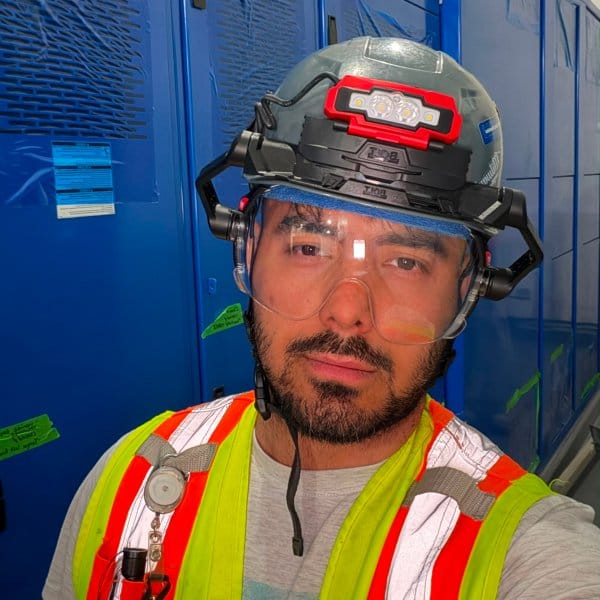
Atlix’s founder is a Red Seal Electrician with a master’s degree in Electrical Engineering and experience in residential, commercial and renewable energy projects across British Columbia.
Based in Coquitlam, Atlix serves Vancouver and the Lower Mainland. Send your address to discuss your project and service availability.
BEFORE YOU DECIDE
The right system depends on how the components work together at your property.
Often it is possible, but compatibility needs checking. Provide the inverter make and model, array size, monitoring details and original approval documents. The new battery and controls must suit the existing system; additional hardware or a revised utility application may be needed.
Some systems can charge from the grid and provide backup without rooftop solar. The equipment and operating mode must support that use. Confirm utility approval and rebate requirements separately; a battery-only project is not automatically eligible for every solar-and-storage incentive.
There is no single runtime for every property. Ask for an estimate based on the usable energy available at the start of an outage and the actual loads selected for backup. Weather, solar recharging and operating settings can change the result. Large heating loads can shorten runtime substantially.
That depends on the product’s installation rating, temperature limits, required clearances and applicable local requirements. Confirm the proposed location and access during design rather than assuming any spare wall will work.
Follow the equipment manufacturer’s maintenance instructions and review the monitoring system for alerts or changes in production. Keep access areas clear and retain warranty and commissioning records. Ask who to contact for support and what is included after installation.
START WITH YOUR GOALS
Talk to Atlix about solar panel installation, battery storage or expanding an existing system in Vancouver and the Lower Mainland. Request a free estimate and explain what you want the system to achieve.
Start with your address and property type, then share:
Initial photos can be taken from ground level; there is no need to access the roof.
Need a different electrical service? View Atlix’s electrical services. Planning vehicle charging alongside solar? See EV charger installation.